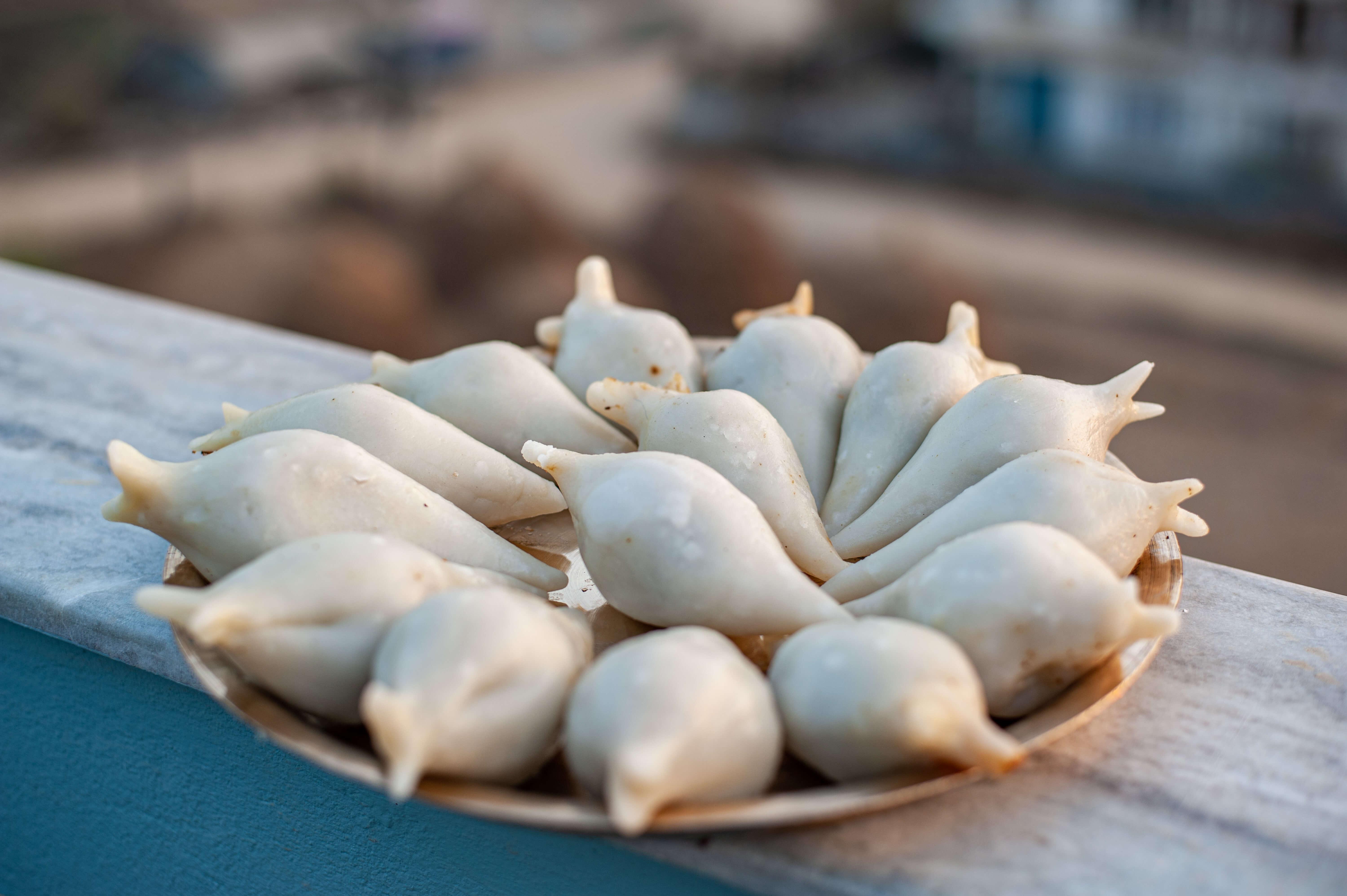
In the heart of the Himalayas, Nepal's cultural identity flows through its kitchens and hearths, where ancient recipes tell tales of tradition, celebration, and community. Among these culinary treasures, Chaku stands as a golden testament to Nepali heritage, its sweet, sticky essence capturing the warmth of a thousand winter gatherings. This beloved delicacy, crafted through the patient transformation of sugarcane juice or jaggery into a rich, caramel-like confection, takes center stage during Maghe Sankranti, the winter solstice festival. Served alongside steaming yams known as tarul and sweet potatoes, Chaku does more than merely sustain bodies through harsh mountain winters; it nurtures the bonds between families and communities, weaving its way through religious ceremonies and festive celebrations.
Nepal's culinary mosaic extends far beyond Chaku, each region contributing its unique flavors to the national table. From the bustling streets of Kathmandu comes Chatamari, the ingenious "Newari Pizza," where rice flour crepes embrace savory toppings of meat, eggs, and aromatic spices. The Himalayan heights offer Dhido, a robust porridge that speaks of mountain strength, while Thakali kitchens perfect Timmure Alu, where potatoes dance with the fierce spirit of wild pepper. Festivals transform Nepal's food landscape into a vibrant celebration of culture. Janai Purnima brings forth Quanti soup, where nine sprouted beans merge into a bowl of tradition. During Yomari Punhi, the Newar community crafts Yomari, delicate rice-flour dumplings cradling sweet Chaku within their folds. Tihar's joyous atmosphere resonates with the sizzle of Sel Roti, golden rings of sweet bread that crown the festival season.
Nepal's hotel and hospitality industry has embraced these traditional flavors, creating innovative fusion dishes that appeal to both local and international palates. Chaku-based desserts, gourmet versions of momos, and creative interpretations of classic dishes showcase how traditional recipes can adapt to contemporary tastes while preserving their cultural essence. Modern Nepal embraces these ancestral flavors with creative flair. High-end restaurants now serve Chaku-infused desserts alongside gourmet momos, while traditional beverages like Aaila, Tongba, and Chhyang flow from village homes to sophisticated bars. This evolution ensures that classics like Dal Bhat and Gundruk ko Jhol remain relevant while honoring their roots.
As Nepal shares its cultural feast with the world, these dishes become more than mere sustenance—they are living ambassadors of a heritage that continues to nourish both body and soul, proving that in Nepal's kitchens, every meal tells a story of tradition, innovation, and enduring cultural pride.